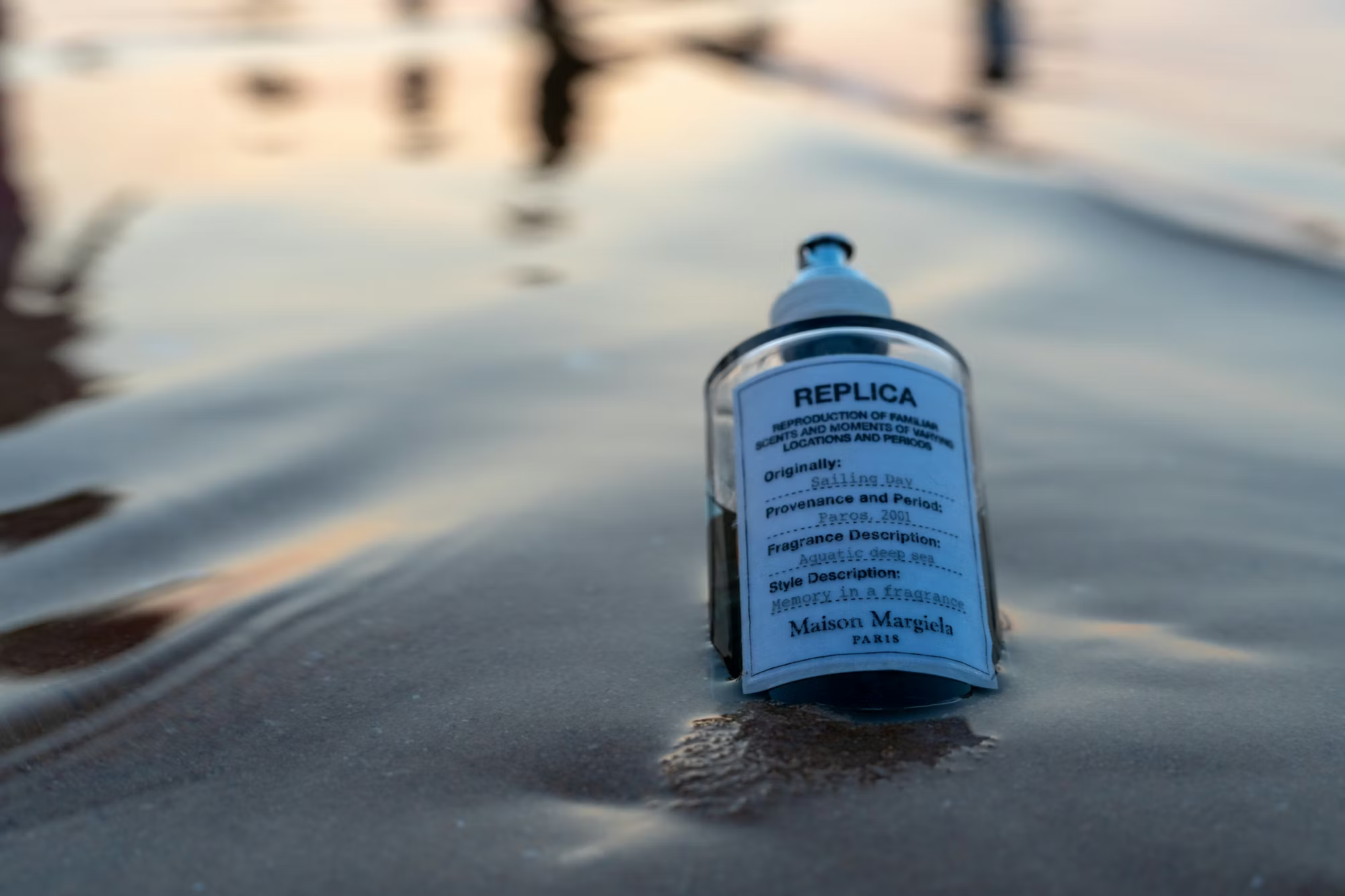
Fragrance is an art form that transcends mere scent; it can evoke memories, enhance moods, and express individuality. One of the most exciting ways to explore the world of scent is through fragrance layering, a technique that allows you to create unique and personalized combinations. This article will guide you through the principles of layering fragrances, the best practices to follow, and how to develop a signature scent that truly reflects your personality.
Fragrance layering involves combining different scents to create a more complex and multidimensional aroma. This technique can elevate your fragrance game, allowing you to tailor your scent to your mood, the occasion, or the season. By experimenting with various fragrances, you can achieve a scent that is entirely your own, setting you apart from the crowd.
To begin your layering journey, it’s essential to understand the different fragrance families. Familiarizing yourself with these families—such as Floral, Woody, Fresh, Oriental, Fruity, Gourmand, Chypre, and Leather—will help you choose complementary scents. Floral fragrances, often characterized by notes of rose, jasmine, and lily, tend to evoke feelings of romance and femininity. On the other hand, woody scents, such as sandalwood and cedar, offer a grounded and sophisticated experience. Fresh fragrances provide a clean, invigorating scent, while Oriental fragrances are rich and warm, often featuring spices and resins.
When selecting fragrances to layer, consider how their individual notes interact. A good rule of thumb is to start with a base scent that serves as the foundation of your combination. Base notes are the scents that linger the longest and provide depth to your overall fragrance. Layer this with middle notes, which add complexity and character, and finish with top notes that offer a bright initial impression. By carefully balancing these layers, you can create a harmonious blend that evolves beautifully on your skin.
Experimentation is key to mastering the art of fragrance layering. Start with two or three scents that you enjoy and apply them in a way that allows each to shine. Begin by applying the base scent first, followed by the middle and top notes. It’s often best to apply the fragrances to different areas of your body, such as wrists, neck, or behind the ears. This method allows each layer to develop without overwhelming your senses.
Another effective technique is to combine fragrances with different concentrations. For instance, layering an Eau de Parfum with a lighter Eau de Toilette can create a beautifully balanced scent that lasts throughout the day. The stronger fragrance will provide longevity, while the lighter one can add freshness. This layering approach can also help you transition from day to night, allowing you to adapt your scent to different occasions seamlessly.
Consider seasonal changes when layering fragrances. Certain scents may resonate more during specific times of the year. For example, bright, citrusy fragrances work wonderfully in the spring and summer, while warmer, spicier scents are perfect for fall and winter. By aligning your fragrance layers with the seasons, you can enhance your overall scent experience and create a more cohesive olfactory narrative.
The emotional aspect of scent should not be overlooked. Many fragrances can evoke specific memories or feelings, and layering scents can help you create new associations. For instance, if a particular floral fragrance reminds you of a cherished moment, pairing it with a comforting gourmand note can create a unique combination that brings joy and nostalgia. By consciously selecting fragrances that resonate with you emotionally, you can develop a scent that reflects your identity and enhances your daily experiences.
In addition to personalizing your fragrance, layering can also allow you to experiment with different scent profiles. Don’t be afraid to try unexpected combinations! A fruity scent can add a playful twist to a traditional floral fragrance, while a hint of leather can provide a bold contrast to a sweet gourmand scent. The key is to have fun and embrace the creative process, allowing your imagination to guide you.
Engaging with fragrance communities can further enhance your layering journey. Online forums, social media groups, and fragrance blogs are excellent resources for discovering new layering techniques and scent combinations. Many fragrance enthusiasts share their experiences and provide recommendations, which can inspire your own experiments. Participating in these communities can also introduce you to niche brands and lesser-known fragrances that might become your next favorites.
Once you’ve discovered combinations that you love, consider documenting your favorites. Keep a journal or digital record of the scents you’ve layered, along with notes about how they made you feel. This practice can help you remember which combinations resonate with you the most, and you may even discover patterns in your preferences over time. Having a personal record can also serve as a helpful reference when selecting fragrances for specific occasions or moods.
As you continue to explore fragrance layering, be mindful of the longevity and sillage (the trail of scent left behind) of your combinations. Some fragrances may fade more quickly than others, and understanding how they perform on your skin will help you adjust your layering techniques. For example, if a particular top note tends to evaporate quickly, consider layering it with a longer-lasting base note to create a more balanced and enduring fragrance.
In conclusion, fragrance layering is a delightful way to personalize your scent experience and express your individuality. By understanding fragrance families, experimenting with different combinations, and documenting your favorites, you can craft a unique fragrance wardrobe that reflects your personality and enhances your daily life. Embrace the art of layering, and enjoy the journey of discovering captivating scent combinations that resonate with your identity and evoke cherished memories.